
Mental health is just as crucial as physical health, yet it’s often misunderstood, stigmatized, or overlooked. It encompasses our emotional, psychological, and social well-being, influencing how we think, feel, and act. Understanding mental health is the first step towards fostering resilience, managing life’s challenges, and living a fulfilling life.
What Exactly is Mental Health?
Mental health isn’t merely the absence of mental illness; it’s a state of well-being where an individual realizes their own abilities, can cope with the normal stresses of life, can work productively, and is able to make a contribution to their community. It’s a dynamic continuum, meaning our mental health can fluctuate from day to day, week to week, just like our physical health.
Common Misconceptions to Debunk:
- “Mental illness is a sign of weakness.” This is perhaps the most damaging myth. Mental illnesses are health conditions, often with biological, psychological, and environmental causes, and have nothing to do with personal weakness.
- “Only ‘crazy’ people have mental health issues.” Mental health challenges are incredibly common. Statistics show that a significant portion of the population will experience a mental health condition at some point in their lives.
- “You can just ‘snap out of it’.” If it were that simple, no one would suffer. Mental health conditions require understanding, sometimes professional help, and active self-care strategies.
Essential Insights for Well-Being:
- It’s Okay Not to Be Okay: Acknowledge your feelings without judgment. Sadness, anger, anxiety, and stress are normal human emotions. Suppressing them can be more harmful than expressing them.
- Connection is Key: Humans are social beings. Nurturing healthy relationships with family and friends provides a vital support system and a sense of belonging, which is protective against mental health decline.
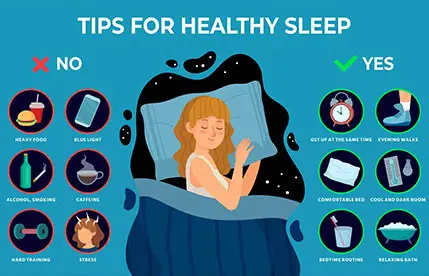
- Mind and Body are Intertwined: Your physical health directly impacts your mental health. Regular exercise, a balanced diet, adequate sleep, and limiting substances like alcohol and caffeine all contribute positively to your mood and cognitive function.
- Stress Management is Critical: Chronic stress can take a heavy toll. Learning healthy coping mechanisms—be it mindfulness, meditation, hobbies, or spending time in nature—is essential.
- Seeking Help is a Sign of Strength: If you’re struggling, reaching out to a mental health professional (therapist, counselor, psychiatrist) is a courageous and smart decision. They can provide strategies, support, and, if necessary, medication.
Embracing Self-Care:
Self-care isn’t selfish; it’s necessary. It involves consciously taking steps to protect your health and well-being, especially during periods of stress. This could mean:
- Setting boundaries in your relationships and work.
- Engaging in hobbies that bring you joy.
- Practicing mindfulness or meditation.
- Spending time outdoors.
- Ensuring you get enough quality sleep.
- Taking breaks from screens and news cycles.
By understanding that mental health is a vital, dynamic part of our overall health, and by actively engaging in self-care and seeking help when needed, we can cultivate greater resilience and lead more balanced, fulfilling lives.